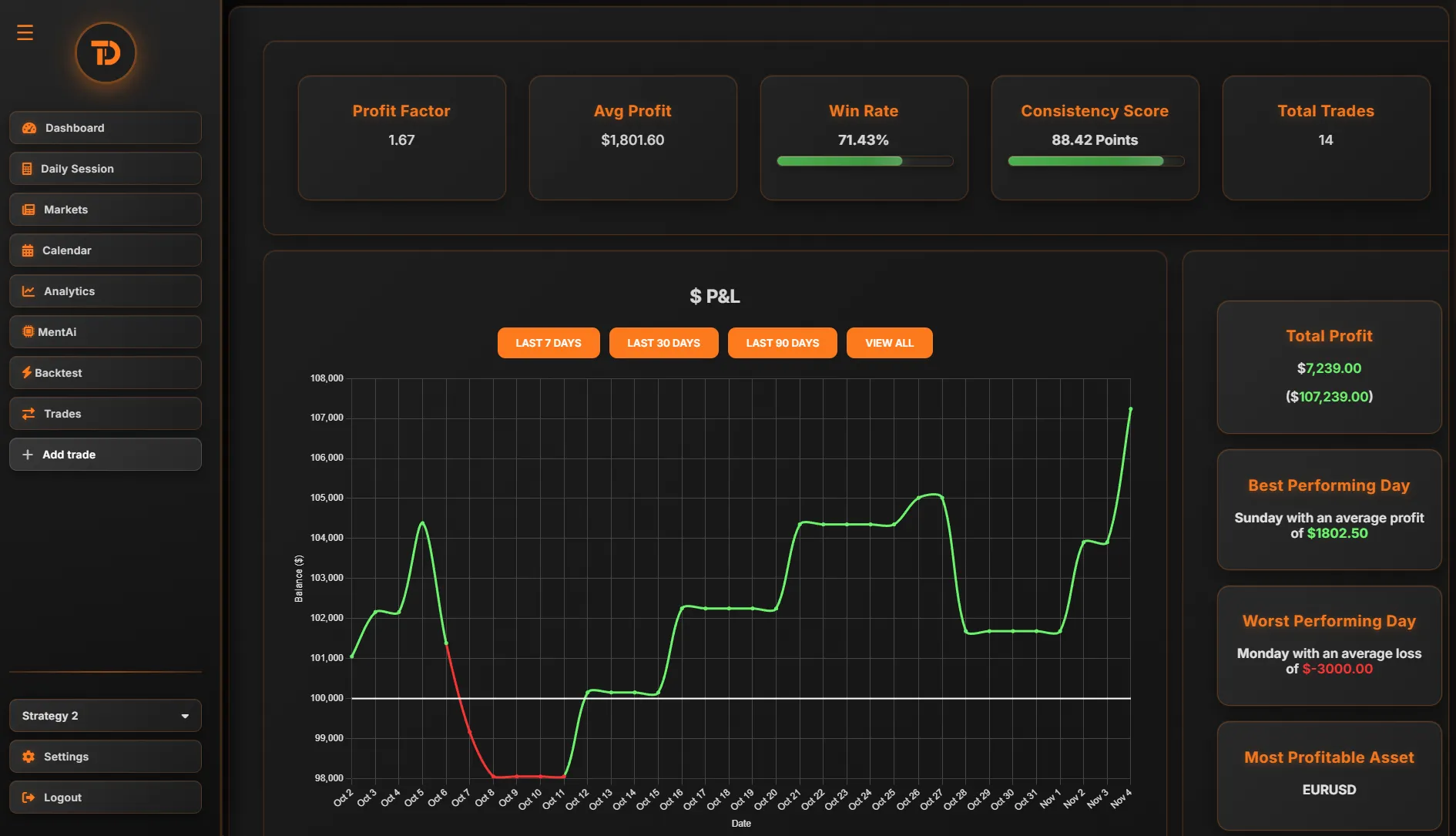
Day trading is not inherently gambling, but it can resemble gambling if approached without proper strategy, risk management, and discipline. While both activities involve risk and uncertainty, there are key differences between day trading and gambling that hinge on how a trader approaches the market. If done professionally, day trading can be a calculated and strategic method of making money. However, without the right knowledge, preparation, and discipline, it can easily turn into gambling-like behavior.
Differences Between Day Trading and Gambling
Here’s how day trading differs from gambling when done correctly:
1. Strategy and Skill vs. Pure Chance
- Day Trading: Professional day traders rely on skills, analysis, and strategies to make informed decisions. They use technical analysis, chart patterns, market news, and other indicators to forecast price movements and make calculated trades. Day trading involves probabilities and statistical analysis, where traders aim to tip the odds in their favor over the long term.
- Gambling: Gambling typically relies on chance or luck, such as in casino games like roulette, slot machines, or lotteries. While some games (like poker) involve skill, many forms of gambling are purely luck-based, with the odds stacked against the participant.
2. Risk Management vs. Risk Without Control
- Day Trading: Successful day traders manage risk carefully by using tools like stop losses, position sizing, and controlling the amount of capital they risk on each trade. Good traders aim to preserve their capital and accept small, manageable losses while aiming for larger, strategic gains over time. The emphasis is on long-term profitability.
- Gambling: In gambling, particularly in games of chance, participants usually have little or no control over the outcome, and risk management is minimal. The gambler often stakes their money based on the outcome of an uncertain event, with the odds typically favoring the house (in casino games) or being heavily influenced by luck.
3. Probability and Edge vs. Luck
- Day Trading: Professional traders operate with an edge, meaning they have a statistical advantage based on their strategies, experience, and knowledge of the markets. They understand that not every trade will be a winner, but they aim to ensure that their winning trades outweigh their losing ones over time. By sticking to a defined strategy, they use probabilities in their favor, similar to how a business might manage costs and revenues.
- Gambling: In most forms of gambling, particularly in casinos, the house has an edge, meaning the odds are skewed to favor the house over the gambler. The gambler is often betting against probability, with the result primarily based on chance. For example, in games like roulette or slot machines, luck is the dominant factor, and participants cannot alter the long-term outcomes.
4. Preparation and Analysis vs. Impulsivity
- Day Trading: Successful day traders spend a significant amount of time researching markets, analyzing charts, reading news, and following technical indicators. They enter trades based on predefined entry and exit criteria, and they stick to their plan, which minimizes emotional and impulsive decisions. Day traders often backtest their strategies to ensure they have a positive expected value over time.
- Gambling: Gambling is often impulsive, particularly in high-stakes environments like casinos. Gamblers frequently chase losses, make bets without research or analysis, and rely on hope or emotion to guide their decisions. In most cases, especially in games of chance, there is little preparation or strategy involved.
When Day Trading Can Resemble Gambling
While day trading, when approached correctly, is a strategic endeavor, it can resemble gambling if the following behaviors occur:
- Lack of a Plan: Entering and exiting trades without a clearly defined strategy or plan, relying on gut feelings or market rumors.
- No Risk Management: Failing to use stop losses, risking too much capital on single trades, or not controlling the amount of capital exposed in the market.
- Chasing Losses: Trying to recover from a series of losing trades by increasing risk or making emotional trades, much like how a gambler might chase losses in a casino.
- Emotional Trading: Letting emotions such as fear, greed, or excitement guide decisions, leading to impulsive and illogical trades.
- Overtrading: Engaging in excessive trading without proper analysis, driven by a need for action rather than by sound strategies. This can lead to high transaction costs, poor decision-making, and loss of focus.
How to Avoid Gambling-Like Behavior in Day Trading
To avoid treating day trading like gambling, consider these practices:
- Develop a Trading Plan: Have a clear, well-defined trading strategy that outlines when to enter and exit trades, how much capital to risk, and the market conditions you’ll focus on. Stick to this plan at all times.
- Use Risk Management Tools: Set stop losses, limit your position size, and only risk a small percentage of your total capital on any one trade (commonly 1-2%). This helps protect your account from significant losses.
- Trade with Discipline: Avoid emotional decision-making. Focus on data-driven strategies and avoid acting on impulse or reacting to short-term market fluctuations.
- Educate Yourself Continuously: Keep learning about trading strategies, markets, and risk management. The more informed you are, the more control you have over your trades.
- Focus on Long-Term Consistency: Aim for consistent, long-term profits rather than trying to hit big wins. Trading is a marathon, not a sprint.
Conclusion:
Day trading is not inherently gambling, but it can become gambling if approached without a sound strategy, proper risk management, and discipline. Successful day trading involves preparation, analysis, and skill, much like running a business. Traders who operate with a defined strategy, manage their risk, and focus on long-term gains have a much higher likelihood of success compared to those who trade impulsively or without a plan.
While the line between gambling and day trading can blur when emotions take over, sticking to a disciplined, well-researched approach helps distinguish smart trading from pure chance-based gambling.